
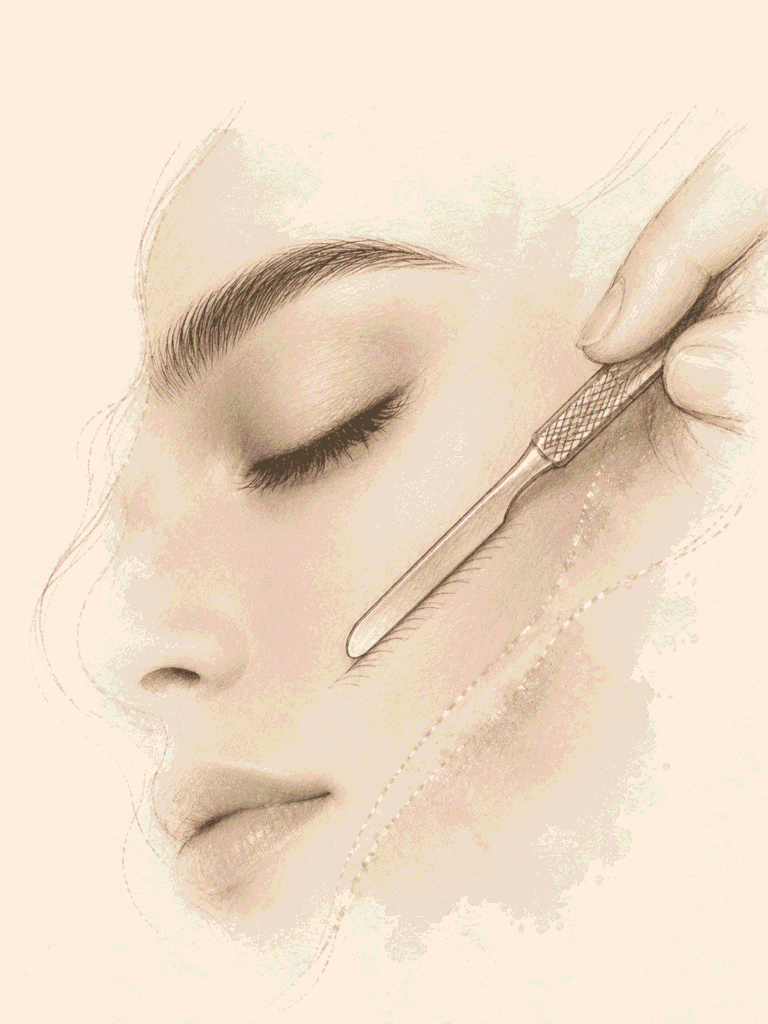
What Is Dermaplaning?
Dermaplaning is a gentle exfoliation treatment that uses a sterile blade to remove dead skin cells and fine facial hair from the surface of the skin. It helps leave the skin smoother, brighter, and better prepared for skincare and makeup.
Who Is Dermaplaning For?
Dermaplaning is ideal for clients who want smoother texture, brighter-looking skin, and removal of fine facial hair. It can be a good option before special events or as part of a regular skincare routine.
Dermaplaning Options
Dermaplaning
A focused exfoliation treatment that removes dead surface skin and fine facial hair for a smoother, refreshed appearance.
Dermaplaning + Base Facial & Collagen Mask
Combines dermaplaning with a facial and collagen mask for added hydration, relaxation, and skin-conditioning benefits.
What to Expect During Your Dermaplaning Appointment?
Your skin is cleansed and prepared before the dermaplaning treatment begins. A sterile blade is carefully moved across the skin to remove dead surface cells and fine hair. If you choose the facial option, additional skincare steps and a collagen mask are applied afterward.
How to Prepare for Dermaplaning?
Avoid strong exfoliating products, retinoids, or irritating skincare for several days before your appointment. Avoid waxing or other aggressive facial treatments immediately beforehand. Arrive with clean skin if possible.
Dermaplaning Aftercare
Keep your skincare gentle after treatment. Avoid strong exfoliants, retinoids, and irritating products for several days. Use moisturizer and daily SPF, as freshly exfoliated skin can be more sensitive to sun exposure.
Results & Longevity
Skin usually looks and feels smoother immediately after dermaplaning. Results commonly last around 3-4 weeks, depending on your skin cycle and skincare routine. Fine facial hair will gradually grow back naturally and will not become thicker or darker because of dermaplaning.
Before & After Gallery

Dermaplaning FAQs
Does dermaplaning make facial hair grow back thicker?
No. Dermaplaning removes hair at the skin surface and does not change the hair follicle, so the hair does not grow back thicker or darker.
How often should I get dermaplaning?
Many clients schedule dermaplaning about every 3-4 weeks, depending on their skin and skincare goals.
Is dermaplaning painful?
Dermaplaning is generally considered comfortable. Most clients feel only a light scraping sensation during treatment.
Is dermaplaning good for sensitive skin?
It can be suitable for some sensitive skin types, but suitability depends on current irritation, active breakouts, and overall skin condition. Your artist should evaluate the skin first.
Can I wear makeup after dermaplaning?
It is usually best to keep the skin clean and allow it to settle for the rest of the day. Makeup can typically be resumed afterward if the skin feels comfortable.
What is the difference between dermaplaning and shaving?
Both remove surface hair, but professional dermaplaning also removes dead skin cells using a controlled exfoliation technique.
Can dermaplaning help with acne?
Dermaplaning may help improve surface texture, but it is generally avoided over active, inflamed acne because the skin can be irritated.
Ready for Smoother, Brighter Skin?
Choose Dermaplaning alone or pair it with a facial and collagen mask for an enhanced skincare experience.